

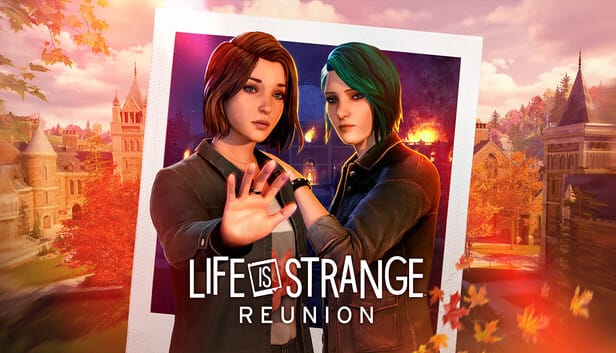
An emotional exploration of Life Is Strange via cinematic lens. Explore the interplay between free will, friendship, and destiny in one of the most memorable narrative experiences in video game history.
A World Where Every Choice Echoes
Life Is Strange is one of the few games that successfully portrays human emotion. Here, each choice matters and each moment seems intimately personal; it’s more than a tale.
The game constructs a universe where each option has consequences, from subtle dialogue in a tiny village to major decisions that change the course of history.
At this point, the central concept of “Life Is Strange Reunion” starts to take hold.
It stands for the point at when the story’s characters, feelings, and outcomes come together to create an immersive experience.
Where Emotion Meets Choice
When Dontnod Entertainment first introduced the world to Life Is Strange, it changed how players viewed storytelling in games.
Instead of focusing on fast action or combat, the game centered on:
- Human relationships
- Personal growth
- Difficult moral choices
- The consequences of changing fate
At its heart is a simple but profound idea:
What if you could rewind time… but still couldn’t escape destiny?
This tension between control and inevitability is what makes the story unforgettable.
When Characters Become Family
The realism of the characters is the driving force behind the compelling world of Life Is Strange.
Fans don’t only observe their adventure; they participate in it with them.
Loyalties are put to the test.
Everything is made clear.
Also, deciding who to rescue and what to sacrifice may be a real challenge at times. Very few games are able to unite player and narrative via an emotional connection.
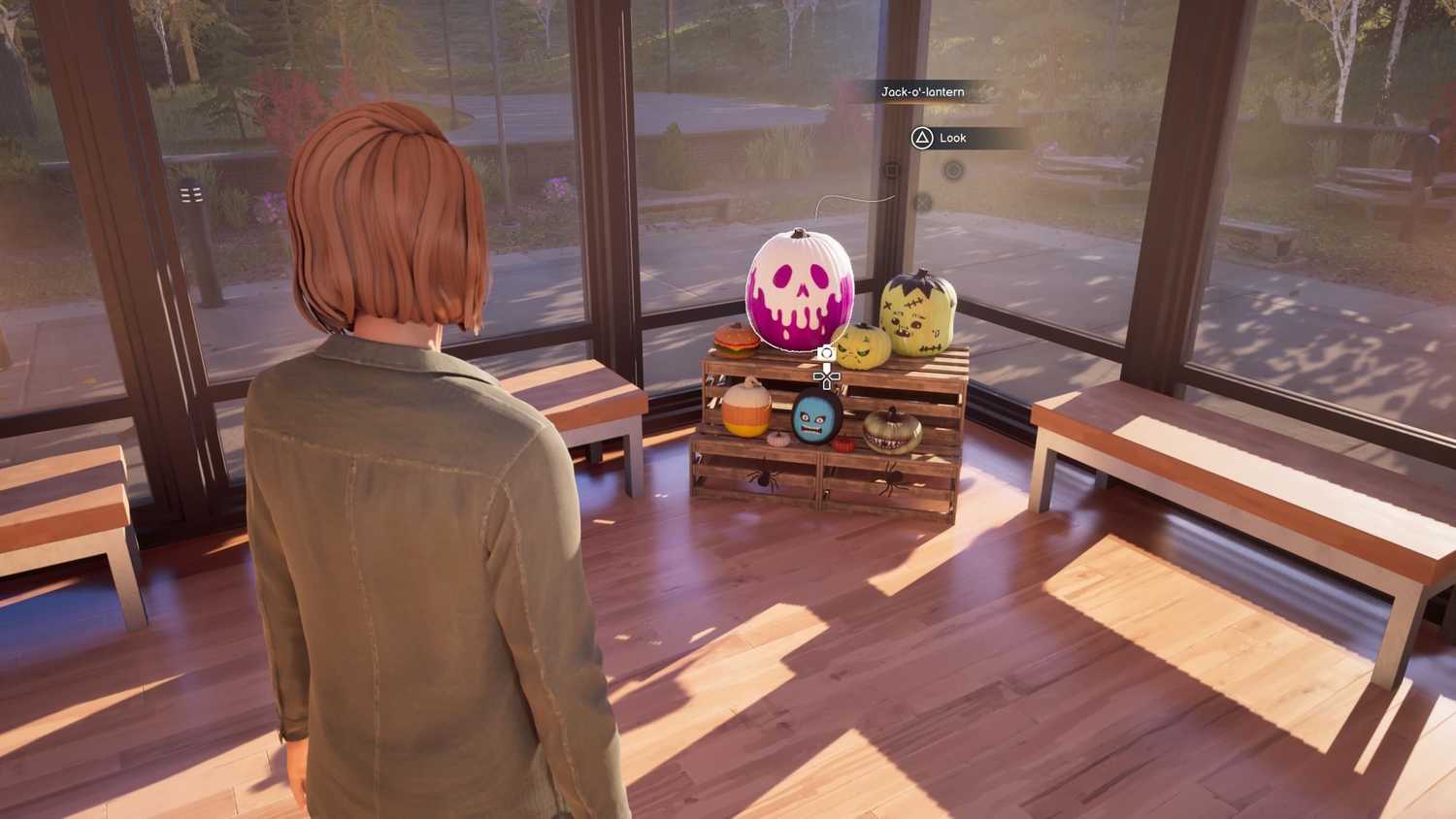
A Universe Built on Consequences
What you see around you changes depending on every choice you make in Life Is Strange.
Who knows what tomorrow? A discussion today might alter someone’s destiny.
An act of bravery might end up saving someone’s life.
Everything may change in an instant if I hesitated.
With this layout, the game becomes much more than just a fun diversion.
Because there are seldom black-and-white decisions in real life, it becomes a metaphor for that.
Why Narrative Games Like This Matter
The success of Life Is Strange helped redefine story-driven gaming.
It proved that games could be:
- Emotional
- Thought-provoking
- Cinematic
- Deeply personal
Today, narrative games continue to grow in popularity, but Life Is Strange remains one of the titles that set the standard.
When Gameplay Feels Like Cinema
When you play Life Is Strange, it’s as if you’re entering a movie.
While the camera lingers on peaceful moments, gentle music plays.
Empty streets are painted by sunsets. Also, sometimes it’s better to be quiet than to speak up.
All of these cinematic flourishes make the experience really unforgettable, the kind of stuff that gamers will think about long after the credits have rolled.
When Stories and Players Become One
The song “Life Is Strange Reunion” perfectly encapsulates the unique qualities that make our cosmos extraordinary.
At this juncture, narrative, emotion, and player agency all converge.
If seemingly little choices have far-reaching consequences. When the individuals on screen seem genuine. And where each conclusion is justified. Amidst an ocean of adrenaline-pumping action games.
Life Is Strange serves as a sobering reminder:
Victory in war isn’t always the goal of the most meaningful adventures.
They center on learning about ourselves, dealing with the fallout of our actions, and comprehending other people.
The Power to Rewind Time
The time-rewind system serves as the bedrock of the game’s narrative, going beyond its role as a gameplay tool.
Players have the option to go back in time and reevaluate their choices, as well as try out other results. You may try to escape certain outcomes all you want, but the game keeps reminding you that it’s impossible.
Anxieties and emotional burden are generated by this mechanism. The ability to alter the course of events doesn’t always alleviate the nagging feeling that none of the available options are ideal. The experience’s indelible quality is due to its intricacy.
Music, Atmosphere, and Emotional Storytelling
The game’s mood is another factor that sets it apart.
There are times that are nearly cinematic due to the use of quiet settings, gentle lighting, and well chosen independent music. Players are encouraged to take a moment to appreciate, feel, and study their surroundings rather than speed through events in the game.
Details like listening to music in a dorm room or sitting on a bench watching the sunset give emotional depth that is hard to come across in video games. In these few seconds, everything comes to life.
Why This Game Still Resonates With Players
Life Is Strange has had an impact on narrative video games long after its debut.
The huge success it had shown to creators the need of providing gamers with deep and meaningful storylines. Furthermore, it proved that video games are capable of delving into weighty topics like morality, decision repercussions, and identity.
The narrative takes gamers on a journey that goes beyond mere amusement.
Life Is Strange: Simple, Story-Focused Monetization
The payment system for Life Is Strange is quite different from many modern games. It is mainly a story-driven, single-player game, so the monetization is usually simple and not aggressive.
Here’s how the payment model works 👇
1. Base Game Purchase (Main Payment Model)
Life Is Strange series use a one-time purchase model.
You buy the game once on platforms like PlayStation, Xbox, or PC, and you can play the full story without needing to spend extra money.
Earlier games in the series were also released episodically, meaning:
- You could buy Episode 1 first
- Then purchase later episodes separately or as a full season
This structure was similar to story-based games like The Walking Dead, where chapters release over time.
2. DLC and Deluxe Editions
In some cases, the game offers cosmetic items like character outfits or visual extras.
These items:
- Change appearance only
- Do not affect gameplay or story outcomes
So the game avoids “pay-to-win” mechanics, which are common in competitive multiplayer games.
3. Cosmetic Add-Ons
In some cases, the game offers cosmetic items like character outfits or visual extras.
These items:
- Change appearance only
- Do not affect gameplay or story outcomes
So the game avoids “pay-to-win” mechanics, which are common in competitive multiplayer games.
4. Possible Microtransactions in Future Titles
There have been reports that a future entry in the series might include cosmetic microtransactions, such as purchasable outfits or digital upgrades. However, these are expected to remain optional and cosmetic only.
5. No Pay-to-Win System
Unlike many modern games, Life Is Strange does not include:
- Loot boxes
- Battle passes
- Paid power upgrades
- Competitive advantages
Because the game focuses on story and choices, monetization usually stays limited to the base game + optional DLC.
Lastly we can say,
“Life Is Strange in Reunion” captures the true spirit of the game.
It is the point where story, emotion, and player choice merge into a single unforgettable experience.
Every decision leaves a mark.
Every friendship carries meaning.
And every ending reflects the path you chose.
In the end, Life Is Strange reminds us of something simple yet profound:
Life is unpredictable.
Choices are powerful.
And sometimes, the smallest moments shape our greatest stories.